Across Tanzania, hundreds of thousands of young people finish secondary school each year with little more than a certificate and a hope. The formal job market cannot absorb them all. Agricultural land is increasingly degraded. Urban opportunities are scarce. For many, the gap between graduation and a sustainable livelihood stretches for years – sometimes forever.
This is the problem that skills training for youth in Tanzania directly addresses. And it is the problem that C.Y.D.O. has been solving, one young person at a time, since 2011.
Why Skills Training Is the Most Direct Path Out of Poverty
Research consistently shows that practical, relevant skills training is one of the highest-return investments in human development. For every dollar invested in vocational skills development in Sub-Saharan Africa, communities see multi-dollar returns through increased productivity, higher incomes, and reduced unemployment.
In Tanzania’s context, skills training is especially transformative because it meets young people where they are – in rural communities, without the luxury of relocating to cities or affording university. C.Y.D.O’s programs are designed for this reality.
What Skills Does C.Y.D.O. Teach?
Sustainable Agriculture and Agroforestry
Tanzania’s economy is built on agriculture, yet most small farmers use methods that are inefficient, environmentally damaging, and climate-vulnerable. C.Y.D.O. trains youth in climate-smart farming techniques, integrating trees into farmland (agroforestry), organic soil management, water-efficient irrigation, and post-harvest processing and value addition. Youth who complete this training consistently report 30-50% increases in farm productivity within the first season.
Financial Literacy and VICOBA Savings
Earning money is only the beginning. Knowing how to save, invest, and grow it is what builds lasting security. C.Y.D.O’s financial literacy training, connected to the VICOBA (Village Community Banks) model, teaches basic accounting and money management, how to set up and run a village savings and lending group, accessing micro-loans for small business investment, and building creditworthiness over time.
Over 250 women entrepreneurs have been trained through our VICOBA programs – many of whom have started businesses that now employ others.
Environmental and Conservation Skills
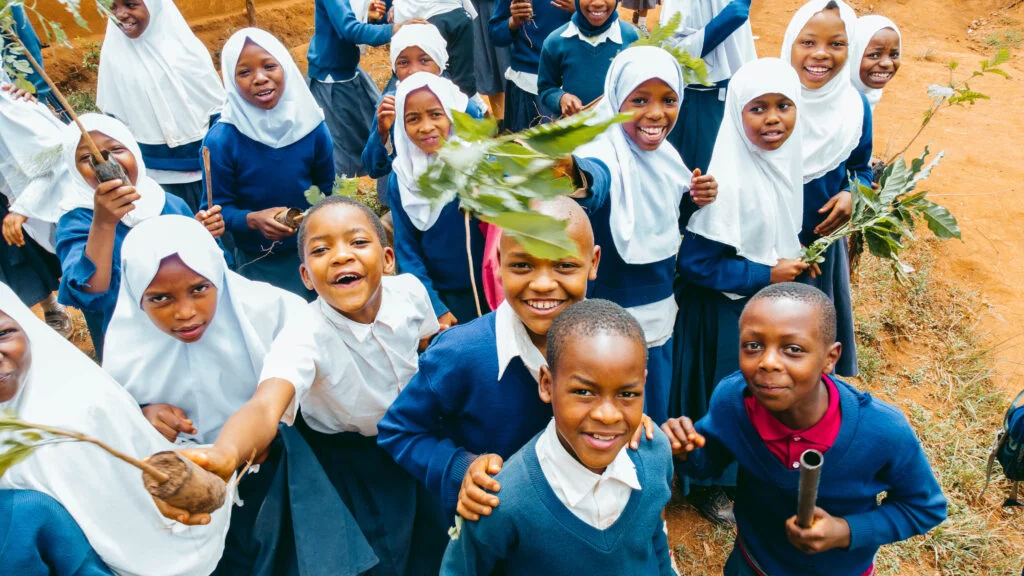
As Tanzania’s forests face growing pressure, there is increasing demand for young people with skills in tree nursery management and seedling production, forest monitoring and biodiversity assessment, community-based conservation, and environmental education facilitation. C.Y.D.O. trains youth in all these areas – and many of our graduates go on to work as community forest guards, nursery managers, and environmental trainers.
Leadership, Communication, and Digital Literacy
Soft skills are hard currency in today’s world. Our training programs dedicate significant time to public speaking and community facilitation, basic computer and smartphone skills, how to write a business plan or funding proposal, and how to engage with NGOs, government, and private sector partners. These skills amplify everything else a young person learns – turning a skilled farmer into a community advocate and a trained conservationist into a project leader.
How C.Y.D.O Delivers Skills Training
What sets C.Y.D.O.’s skills training for youth in Tanzania apart is not just what we teach – it is how we teach it. All training is delivered in Kiswahili and local languages, so no participant is excluded. Training sites are located in the communities themselves, removing travel barriers. Programs combine classroom sessions with field-based practical work. We track every participant’s progress and follow up after training to support their journey. And we link graduates to markets, networks, and funding opportunities so their new skills translate into actual income.
The Ripple Effect of Skills Training
When one young person in a Tanzanian village receives skills training, the benefits extend far beyond that individual. They share new farming techniques with neighbors. They become role models who inspire siblings and peers. They earn income that keeps children in school and reduces pressure on natural resources. They grow into community leaders who champion sustainable development for the next generation.
This ripple effect is why C.Y.D.O.’s skills training programs for youth in Tanzania are not just a development intervention – they are a community transformation strategy.
Support our work at changamotoyouth.org or donate to fund a training cohort today.